A Quiet Kind of Wealth: The Modern Homestead Life
This article explains what a homestead really is, how it differs from a farm, and why it appeals to people who want more resilience, real food, and a calmer rhythm of living without turning it into a full-time job. It also gives a simple, realistic roadmap for starting small and building a homestead step by step, without overwhelm.
There is a moment many people recognise: standing in a supermarket aisle, staring at rows of identical food, and feeling strangely disconnected from the basics of life. Not everyone wants to become a full-time farmer, and most people do not want the pressure of “making a living off the land.” A homestead is something else entirely. It can be small, flexible, and shaped around one simple goal: producing a meaningful portion of what a household uses, while gaining skills, resilience, and a calmer rhythm of living.
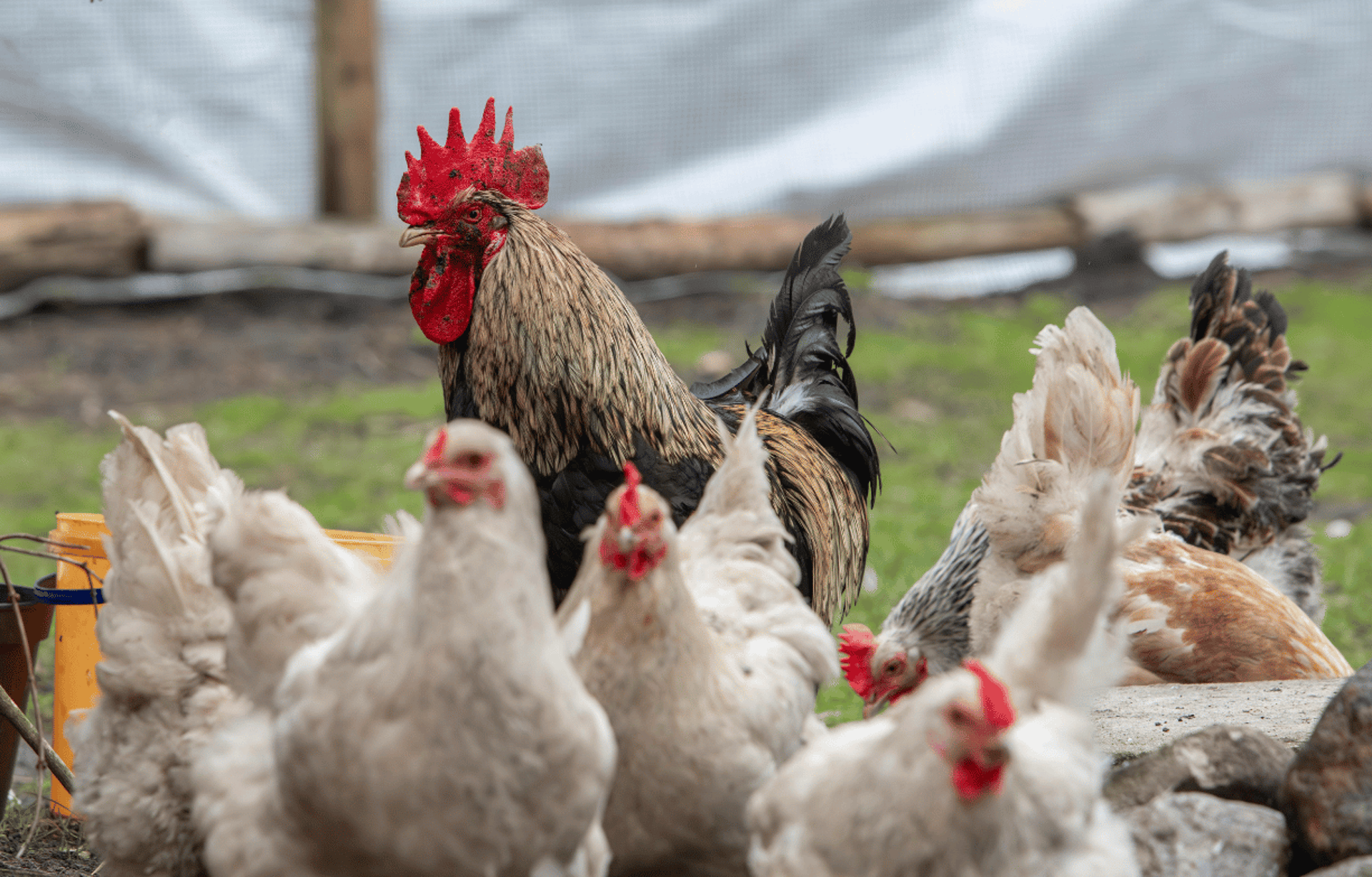
Homesteading is less about escaping society and more about returning to a few fundamentals: food, shelter, energy, water, and everyday competence. It appeals to people who want a tangible sense of progress. Plant a tree, and a few years later it feeds you. Build a compost system, and waste becomes soil. Keep a few hens, and breakfast suddenly feels local and seasonal. It also answers a modern problem that many people feel but rarely name: fragility. When supply chains wobble, prices jump, or life gets hectic, a household that has even a few basic systems in place tends to feel steadier. And there is something quietly soothing about working with natural cycles.
So what exactly is a homestead?
A homestead can be a suburban block with raised garden beds and a couple of rainwater tanks. It can be a few acres with fruit trees, chickens, and a serious veggie patch. Or it can be a rural property with an orchard, beehives, and enough space to experiment. The size is not the point. The intention is. A farm is typically designed to earn an income. That usually means scale, efficiency, and production that can pay bills. A homestead, in contrast, is designed to serve the household first. It may reduce costs and improve quality of life, but it does not need to be financially sustainable on its own. It also does not need full-time commitment. In fact, many of the best homesteads are built slowly on weekends and evenings, one small system at a time. The biggest mistake beginners make is trying to do everything at once. Animals, big infrastructure projects, a huge garden, fancy tools… it looks inspiring online, and then it becomes exhausting in real life. A homestead works best when it grows in layers.
Start with your “why.” What do you actually want from this?
More real food? Lower living costs? A healthier home environment? A sense of independence? A beautiful piece of land that feels alive? Choose your top two or three outcomes. This becomes your compass. It stops you from building a homestead that looks good on paper but feels like a burden. Then begin with the “quiet wins.” These are small changes that give value fast without a lot of stress.
A simple vegetable garden is a great start, especially if you keep it realistic. Pick three to five crops you genuinely eat and that grow well in your climate. Herbs are another underrated win: they’re cheap to start, easy to grow, and you use them constantly. Composting is also a game changer. Once you start turning kitchen scraps into soil, you begin to see your household differently. Less waste, more fertility, more cycles that make sense.
If water is a concern where you live, start paying attention to it early. Even if you cannot do major tanks or changes yet, begin by observing how water moves across the property: where it pools, where it runs off, what dries out first. That awareness alone will make your future decisions smarter.
Next, plant the long-term growers early. Fruit trees, berries, and other plants that come back year after year are slow at the beginning, but incredibly rewarding over time. Think of them like a long-term investment. You might not get much the first year or two, but then they start producing, and they often keep producing for decades. Before you scale up, build the basics that make everything easier. Simple paths so you are not dragging tools through mud. Storage so your gear is not scattered everywhere. Basic fencing, even if it is only to protect a garden bed. A simple irrigation setup if you are in a dry area. These “boring” things are what turn homesteading from hard work into enjoyable work.
And what about animals?
Animals can be wonderful, but they change the commitment level instantly. Chickens are usually the easiest entry point, but even they need daily care, secure housing, and a plan for holidays. A good rule is to only add animals when you already feel steady with your existing routines. If the garden, compost, and basic property maintenance are already feeling like “a lot,” animals will not make it easier.
The good news is that homesteading does not have to become a full-time lifestyle. It can stay a side project forever, and that is often where it shines. A household can grow a meaningful amount of food, produce some eggs, improve soil, and make the home more resilient without chasing the exhausting idea of total self-sufficiency. Over time, many homesteads naturally evolve in a direction. Some go deeper into food: bigger gardens, preserving, fermenting, and better storage. Others move toward ecology: planting native species, improving soil life, creating shade and wind protection, and supporting wildlife. Some focus on resilience: solar, backup water, fire planning, and practical skills like repairs and simple building. And many end up with a quiet community element too: swapping produce, sharing tools, trading labour, learning from neighbours.
The trade-offs are real. More systems mean more maintenance. More projects mean more decisions. And “simple living” can become physically demanding if you design it poorly. The aim is not to do everything. The aim is to build a life that feels more grounded, capable, and calm.
A homestead is not a farm, and it does not need to become a second job. It is a household project that restores something most modern lives quietly lack: a sense of direct connection to the basics. Start small. Keep it enjoyable. Build foundations before you chase scale. Plant trees early. Let the homestead become what it wants to become, and what your life has room for. That kind of slow, steady progress tends to feed more than the stomach. It feeds the nervous system too.
Get in touch
Country
Slovenia
Contacts
Gesundheitsinnovationen@gmail.com