
The Low-Toxin Home: Reducing the Invisible Indoor Load
A low-toxin home reduces the invisible indoor load from chemical emissions (like VOCs from furniture and finishes), particles (dust and smoke), and biological contaminants (dampness and mould). By improving ventilation, controlling moisture, and choosing lower-emission materials, the home becomes a calmer place for breathing, sleep, and overall health.
Most people assume “home” equals safety. Yet indoor air can quietly carry more irritants than many expect—especially in newer or recently renovated spaces. The smell of “new furniture” is not just a smell; it is often a chemical signal from materials and adhesives releasing gases into the air. Add hidden moisture behind a wardrobe, a slow leak under a sink, or a poorly ventilated bathroom, and the home can become a steady source of irritation for the immune system and airways. This article explains why indoor pollution matters, what it is, how to reduce it step by step, and what the future of healthier homes could look like.
When “normal” symptoms aren’t really normal
A low-toxin home is not about perfection or fear. It is about reducing chronic, low-level exposures that can keep the body in a subtly reactive state. Many people live with “background” issues—stuffy nose, morning headaches, restless sleep, irritated eyes, brain fog, persistent coughs, frequent throat clearing—and never think to connect them to the indoor environment. But the body does not separate air, sleep, immune tone, and inflammation into neat categories. It responds to total load. The challenge is that indoor exposure often feels invisible. You might not notice a problem until you leave for a few days and realise you breathe more freely elsewhere. Or symptoms flare after a new couch arrives, a room is painted, or winter dampness sets in. In that sense, a low-toxin home is simply patient-centred health logic applied to the place where most people spend the majority of their time.
The three main buckets of indoor pollution
Indoor pollution generally falls into three buckets: gases, particles, and biological contaminants.
1. Gases: Volatile organic compounds (VOCs) are chemicals that evaporate into the air at room temperature. They can come from paints, varnishes, cleaning products, fragrances, synthetic fabrics, and new furnishings. Formaldehyde is a well-known VOC often associated with pressed-wood products (particleboard, MDF, plywood) used in furniture and cabinetry. (YourHome)
2. Particles: Smoke, cooking emissions, dust, and fine particulate matter can irritate the airways. Dust also acts like a “sponge,” holding chemical residues over time.
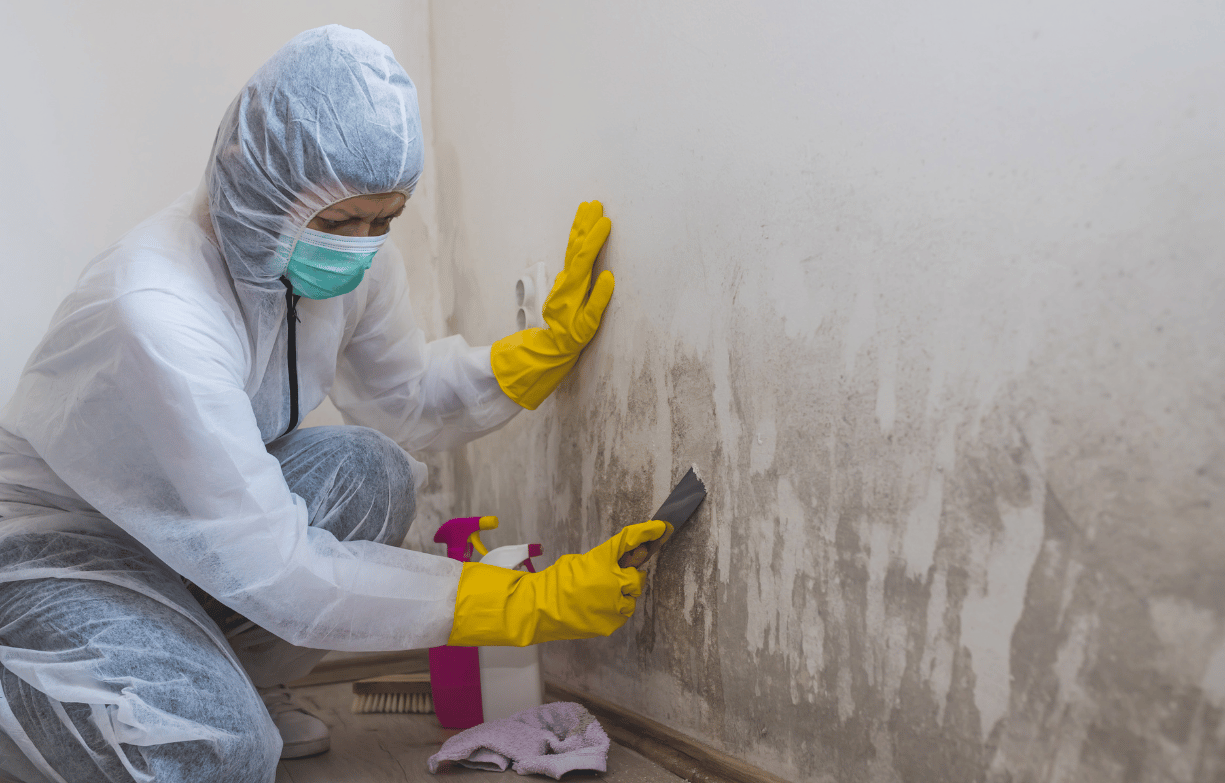
3. Biological contaminants: Dampness enables mould and other microbial growth. WHO guidance highlights that moisture and mould in buildings are a significant health concern and prioritises prevention and remediation of dampness-related problems. (World Health Organization)
A key point: indoor levels of some pollutants can be higher than outdoor levels, and certain activities can spike them dramatically. (EPA)
A practical low-toxin reset that actually works
A low-toxin approach works best when it is structured and realistic.
Step 1: Remove obvious sources first.
If a room has heavy fragrance products, air fresheners, scented candles, or aggressive chemical cleaners, start there. This is usually the easiest win.
Step 2: Ventilation before “solutions”.
Fresh air exchange is foundational. Open windows strategically, use exhaust fans, and ensure bathrooms and kitchens vent effectively. Ventilation is often more impactful than buying new gadgets.
Step 3: Control moisture like it’s non-negotiable.
Fix leaks quickly. Keep humidity in a sensible range. If mould is present, address the underlying moisture source first; cleaning without moisture control is a repeat cycle.
Step 4: Be selective with furniture and finishes.
When buying new items, prioritise lower-emission options where possible, and allow “off-gassing” time with good airflow. Pressed-wood products can be a key source of formaldehyde in homes, so material choices matter. (EPA)
Step 5: Reduce dust load.
HEPA vacuuming and damp wiping reduce the reservoir that holds particles and residues.
What healthier homes could become
The future of low-toxin living is not a niche lifestyle; it is a direction of travel. As awareness grows, “healthy home” features will likely become as normal as energy ratings. That means better material transparency, more accessible low-VOC products, and building standards that treat ventilation and moisture control as core infrastructure rather than optional extras.
We are also seeing a shift from reactive thinking (“something smells, mask it”) to preventive design (“avoid moisture traps, choose lower-emission materials, keep air moving”). Over time, that reduces the household’s background inflammatory load and makes the home more resilient—especially important for children, older adults, and anyone with asthma, allergies, or chemical sensitivities.
Public health agencies increasingly recognise that indoor air can contain VOCs from furnishings and microorganisms such as mould, reinforcing the view that indoor air quality is a legitimate health priority, not a fad. (Health and Ageing Dept. Australia)
Conclusion
A low-toxin home is a practical health investment: reduce chemical gases (especially from finishes and new furnishings), cut particle load (smoke, dust, cooking emissions), and prevent biological contamination (dampness and mould). The goal is not to create a sterile environment; it is to lower the invisible exposure burden so the body can settle. Start simple: remove fragrances, improve ventilation, control moisture, and be intentional with materials. If symptoms persist or mould is suspected, consider professional assessment and remediation. A healthier home supports better breathing, better sleep, and more stable energy—quiet benefits that compound over the years.
Get in touch
Country
Slovenia
Contacts
Gesundheitsinnovationen@gmail.com